
Work Truck Buying Guide: How to Choose the Right Truck for Your Business (2026)
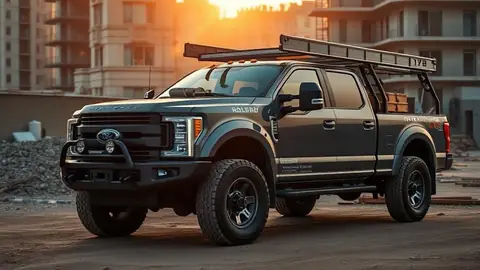
A work truck is more than just transportation—it's a tool that helps you earn a living. Whether you're a contractor, landscaper, electrician, plumber, farmer, delivery professional, or small business owner, choosing the right truck can improve productivity while helping control long-term operating costs.
Many buyers focus on the biggest engine or highest advertised towing capacity, but the best work truck is the one that fits your actual daily workload.
This guide explains how to evaluate a work truck based on your business needs, towing requirements, payload, operating costs, and overall condition before making your purchase.
Start With Your Actual Work Requirements
Before comparing trucks, think about how you'll use it every day.
Ask yourself:
- What equipment do I haul daily?
- How much weight do I carry?
- Do I tow trailers?
- How many employees ride with me?
- How many miles do I drive each year?
- Will I primarily drive in the city or on highways?
- Do I work off-road or on construction sites?
Answering these questions first helps narrow your search to trucks that truly fit your business.
Understand Payload Requirements
Payload refers to how much weight the truck can safely carry.
Your payload may include:
- Driver
- Passengers
- Tools
- Materials
- Equipment
- Fuel
- Ladder racks
- Toolboxes
- Cargo in the bed
- Trailer tongue weight
Many contractors reach their payload limit long before they reach the truck's advertised towing capacity.
Choose a truck that comfortably handles your typical workload—not just your occasional heavy load.
Determine Your Real Towing Needs
If you tow regularly, determine the actual weight of your trailer when it's fully loaded.
This may include:
- Equipment
- Materials
- Fuel
- Water
- Machinery
- Cargo
Never estimate trailer weight based only on the empty trailer.
Understanding your real towing requirements helps you choose the proper truck configuration.
Towing Capacity Depends on Configuration
One of the most misunderstood specifications is towing capacity.
A truck's towing capability varies based on:
- Engine
- Transmission
- Drivetrain
- Axle ratio
- Cab configuration
- Bed length
- Factory towing package
- Suspension
- Cooling system
Two trucks that appear nearly identical may have very different towing ratings.
Always verify the manufacturer's towing specifications using the exact VIN for the specific truck you're considering.
Choose the Right Bed Length
The truck bed affects both cargo capacity and maneuverability.
| Bed length | Best for |
|---|---|
| Short bed | Daily commuting, city driving, easier parking, light equipment |
| Standard bed | A balance of cargo space, turning radius, and everyday usability |
| Long bed | Lumber, pipes, sheet goods, large equipment, construction materials |
Choose the bed size that matches the materials you transport most often.
Select the Right Cab Size
Cab configuration affects both passenger comfort and available cargo space.
| Cab configuration | Best for |
|---|---|
| Regular cab | When passenger seating isn't a priority and maximum bed length is desired |
| Extended cab | Occasional rear seating, interior storage, and a flexible workspace |
| Crew cab | Larger work crews, family use, daily passenger transportation, secure interior storage |
If employees regularly travel with you, adequate passenger space becomes increasingly important.
Consider Your Daily Mileage
How far you drive each day influences operating costs.
If your business involves extensive driving, consider:
- Fuel economy
- Ride comfort
- Driver fatigue
- Maintenance intervals
- Tire replacement costs
A truck that spends most of its time commuting between job sites may have different priorities than one primarily used for towing.
Bigger Isn't Always Better
Many buyers assume purchasing the largest truck available is the safest decision.
However, a larger truck may also increase:
- Fuel costs
- Tire replacement costs
- Insurance premiums
- Maintenance expenses
- Parking difficulty
Choose the smallest truck that comfortably meets your workload requirements.
Doing so often reduces long-term ownership costs while maintaining the capability you actually need.
Inspect the Truck Bed
The condition of the bed provides valuable clues about previous use.
Inspect for:
- Dents
- Rust
- Cracks
- Bent bed rails
- Tailgate operation
- Bed liner condition
- Mounting holes from previous equipment
Heavy wear doesn't necessarily indicate a bad truck, but it should be considered alongside overall condition and maintenance history.
Examine the Hitch and Towing Equipment
If the truck has been used for towing, inspect:
- Receiver hitch
- Wiring connectors
- Safety chain mounts
- Trailer brake controller (if equipped)
- Hitch mounting hardware
Signs of excessive wear may indicate frequent heavy towing.
Inspect Tires and Suspension
Work trucks often carry heavy loads, making tire and suspension condition especially important.
Review:
- Tire tread depth
- Even tire wear
- Suspension components
- Springs
- Shocks
- Steering components
Uneven tire wear may indicate alignment issues or suspension wear.
Check the Underbody
A careful inspection underneath the truck may reveal important information.
Look for:
- Rust
- Fluid leaks
- Frame damage
- Previous repairs
- Exhaust condition
- Suspension wear
- Corrosion
If you're uncertain about the truck's condition, consider a professional pre-purchase inspection.
Review Service History
Maintenance records provide valuable insight into how the truck has been cared for.
Look for documentation covering:
- Oil changes
- Transmission service
- Differential service
- Cooling system maintenance
- Brake repairs
- Tire rotations
- Major repairs
Consistent maintenance often indicates responsible ownership.
Watch for Signs of Hard Commercial Use
Many work trucks perform exactly as intended for years, but it's still important to recognize signs of heavy commercial use.
Examples include:
- Excessive interior wear
- Torn seats
- Damaged flooring
- Heavy hitch wear
- Deep bed damage
- Frequent towing accessories
- Suspension modifications
- High idle hours (where available)
Heavy use doesn't automatically disqualify a truck, but it should be reflected in your overall evaluation.
Test Drive Under Real Conditions
A work truck should feel comfortable both unloaded and during normal driving.
During your test drive, evaluate:
- Steering
- Braking
- Transmission operation
- Acceleration
- Ride quality
- Visibility
- Turning radius
- Highway stability
- Backup camera
- Four-wheel drive operation (if equipped)
The truck should inspire confidence whether you're heading to a job site or towing equipment.
Common Mistakes Buyers Make
Avoid these common mistakes:
- Buying based only on maximum towing capacity
- Ignoring payload limits
- Choosing more truck than necessary
- Forgetting operating costs
- Not verifying VIN-specific towing ratings
- Overlooking maintenance history
- Ignoring underbody condition
- Skipping a professional inspection
Choosing the right truck means balancing capability with long-term ownership costs.
Questions to Ask Before Buying
Before purchasing a work truck, ask yourself:
- What is my actual payload requirement?
- How much do I really tow?
- Do I need a short, standard, or long bed?
- How many passengers ride with me?
- How many miles do I drive each year?
- Have I verified towing specifications using the VIN?
- Have I reviewed maintenance records?
- Does the truck show signs of excessive commercial use?
Frequently Asked Questions
How do I know what size work truck I need?
Start by evaluating your typical payload, towing requirements, passenger needs, cargo size, and daily driving habits. Choosing a truck based on your real workload often provides better value than selecting the largest available model.
Does every truck of the same model have the same towing capacity?
No. Towing capacity varies based on engine, drivetrain, axle ratio, cab size, bed length, factory towing equipment, and other options. Always verify the manufacturer's specifications for the exact VIN before relying on a published towing figure.
Is payload more important than towing capacity?
For many contractors and business owners, yes. Tools, equipment, passengers, and trailer tongue weight all count toward payload. Many trucks reach their payload limit before reaching their maximum towing capacity.
Should I avoid trucks that were previously used commercially?
Not necessarily. Many commercial trucks receive regular maintenance. Review service records, inspect overall condition, and consider a professional inspection to determine whether the truck has been properly cared for.
Why should I inspect the truck bed and hitch?
The bed, hitch, and underbody often reveal how the truck was used. Excessive wear, heavy towing equipment, or structural damage may indicate frequent heavy-duty use and should be considered when evaluating the truck's condition.
Related Buying Resources
Continue your research:
Related Buying Resources
Find the Right Truck for the Job
The best work truck isn't always the biggest—it's the one that matches your daily workload, towing requirements, and operating budget. By understanding payload, towing specifications, bed size, cab configuration, maintenance history, and signs of previous commercial use, you'll be better equipped to choose a truck that supports your business for years to come.
Browse our inventory of quality work trucks, heavy-duty pickups, and commercial vehicles, compare towing and payload specifications, estimate monthly payments, and explore financing options. Our team is ready to help you find a truck that's built to work as hard as you do.
Find the right truck for the job
Browse quality work trucks and commercial vehicles, estimate monthly payments, and explore financing options.