
Sedan vs. SUV: Which Fits Your Lifestyle Better? A Complete Buying Guide (2026)
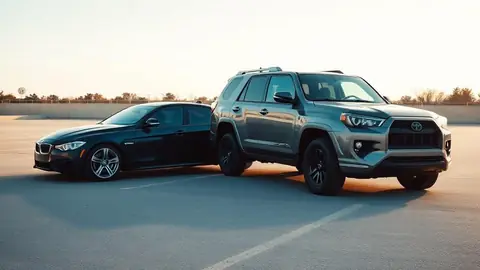
One of the biggest decisions when shopping for your next vehicle is choosing between a sedan and an SUV (including crossovers).
Both can be excellent choices, but the right vehicle depends less on trends and more on how you actually drive every day.
- Do you spend most of your time commuting to work?
- Do you regularly carry passengers or sports equipment?
- Do you enjoy road trips or outdoor adventures?
Understanding how you use your vehicle can help you choose the option that provides the best value, comfort, and long-term ownership experience.
This guide compares sedans and SUVs across the factors that matter most to today's buyers.
Start With Your Daily Driving Habits
Before comparing vehicle features, think about how you use your vehicle.
Ask yourself:
- How many people ride with you most days?
- How far is your daily commute?
- How often do you travel?
- Do you regularly haul cargo or equipment?
- Do you drive in snow or heavy rain?
- Is parking limited where you live or work?
- How important are fuel economy and operating costs?
Your answers often point naturally toward one body style over the other.
Purchase Price and Ownership Costs
For many buyers, affordability is a major factor.
Sedans Often Offer Lower Ownership Costs
Many sedans provide:
- Lower purchase prices
- Better fuel economy
- Lower tire replacement costs
- Lower maintenance expenses
- Easier parking
- Comfortable highway driving
These characteristics often make sedans an excellent choice for commuters and drivers focused on keeping transportation costs manageable.
SUVs May Cost More to Own
SUVs and crossovers can involve:
- Higher purchase prices
- Larger tires
- Increased fuel consumption (depending on model)
- Higher maintenance costs in some cases
However, the additional versatility may justify the cost for buyers who regularly need extra space or capability.
Passenger Comfort
Both sedans and SUVs can comfortably transport passengers, but each offers different advantages.
| Sedan Advantages | SUV Advantages |
|---|---|
| Lower step-in height | Higher seating position |
| Comfortable seating position | Easier entry and exit for many drivers |
| Smooth highway ride | More headroom |
| Quiet cabins | Additional rear-seat space in many models |
| Excellent stability | Better visibility in traffic |
Choose the vehicle that provides the most comfort for your typical passengers—not just occasional trips.
Cargo Space and Flexibility
Cargo needs vary significantly from one household to another.
Sedan Cargo
Sedans generally provide:
- Spacious trunks
- Secure enclosed storage
- Convenient grocery hauling
- Weekend luggage capacity
SUV and Crossover Cargo
SUVs typically offer:
- Fold-flat rear seats
- Larger cargo openings
- Greater cargo height
- Flexible storage configurations
- Easier transportation of bulky items
If you regularly carry camping equipment, sports gear, pets, strollers, or home improvement supplies, the added flexibility of an SUV may better fit your lifestyle.
Fuel Economy
Fuel costs can have a significant impact on long-term ownership expenses.
In many cases:
- Sedans offer better fuel economy because they are generally lighter and more aerodynamic.
- SUVs vary widely, with compact crossovers often providing fuel economy comparable to some sedans.
If you drive long distances each year, comparing EPA fuel economy estimates can help you estimate annual fuel expenses.
Parking and Urban Driving
Where you drive is just as important as what you drive.
Sedans
Often provide:
- Easier parking
- Better maneuverability
- Smaller turning radius
- Lower vehicle height for garages
SUVs
May require:
- Larger parking spaces
- Additional clearance
- More attention in tight parking areas
If your daily routine involves city driving or parking garages, a sedan may offer added convenience.
Highway Comfort and Long-Distance Travel
Both vehicle types can perform well on long trips.
Many sedans are known for:
- Comfortable highway cruising
- Quiet interiors
- Stable handling
- Excellent fuel range
Many SUVs provide:
- Higher seating position
- Spacious interiors
- Additional passenger comfort
- Flexible cargo capacity for vacations
The best road-trip vehicle depends on how many passengers and how much cargo you typically carry.
All-Wheel Drive and Weather Conditions
Many buyers consider all-wheel drive (AWD) when shopping for their next vehicle.
While AWD is available on many sedans, it is more commonly offered on SUVs and crossovers.
AWD may provide added confidence in conditions such as:
- Rain
- Snow
- Ice
- Gravel roads
However, vehicle tires, maintenance, and driver behavior remain critical to safe driving regardless of drivetrain.
If you regularly travel in challenging weather or on unpaved roads, an SUV with available AWD may be worth considering.
Insurance Costs
Insurance premiums can vary significantly between vehicles.
Factors that affect insurance include:
- Vehicle value
- Repair costs
- Safety features
- Driver profile
- Coverage selections
- Location
Before making a final decision, request insurance quotes for the specific vehicles you're considering. Comparing quotes ahead of time helps you understand the total cost of ownership.
Safety Technology
Today's sedans and SUVs often offer similar advanced safety features, including:
- Automatic Emergency Braking
- Blind Spot Monitoring
- Lane Keeping Assist
- Adaptive Cruise Control
- Rear Cross-Traffic Alert
- Forward Collision Warning
Rather than focusing solely on body style, compare the available safety equipment on each individual vehicle.
Which Vehicle Fits Your Lifestyle?
A sedan may be the better choice if you:
- Primarily commute
- Drive long highway distances
- Want lower ownership costs
- Need easy parking
- Carry fewer passengers
- Prioritize fuel economy
An SUV or crossover may be a better fit if you:
- Frequently travel with family or friends
- Need flexible cargo space
- Enjoy camping or outdoor activities
- Prefer a higher seating position
- Regularly drive in changing weather conditions
- Want available all-wheel drive
There isn't a universal “better” option—only the vehicle that best supports your everyday needs.
Common Mistakes Buyers Make
Avoid these common mistakes:
- Buying more vehicle than you actually need
- Choosing an SUV simply because it's popular
- Ignoring fuel and insurance costs
- Overlooking cargo measurements
- Forgetting parking limitations
- Skipping the test drive
- Not comparing ownership costs
- Failing to obtain insurance quotes before purchasing
Taking the time to evaluate your real-world needs can help you avoid unnecessary expenses and choose a vehicle you'll enjoy for years.
Questions to Ask Before Buying
Before choosing between a sedan and an SUV, ask yourself:
- How many passengers do I usually carry?
- How much cargo space do I really need?
- Where will I park most often?
- How many miles do I drive each year?
- Do I regularly travel in snow or rain?
- What will insurance cost?
- Which vehicle fits my budget—including fuel and maintenance?
- Which vehicle feels most comfortable during a test drive?
Frequently Asked Questions
Are sedans cheaper to own than SUVs?
In many cases, yes. Sedans often have lower purchase prices, better fuel economy, smaller tires, and lower operating costs. Actual ownership costs vary by model, maintenance history, driving habits, and insurance.
Are SUVs safer than sedans?
Both body styles can offer excellent safety performance. Rather than assuming one is safer than the other, compare the specific vehicle's safety features, crash-test results, and driver-assistance technologies.
Should I buy an SUV for all-wheel drive?
If you frequently drive in snow, heavy rain, or on unpaved roads, available AWD may be beneficial. However, proper tires, regular maintenance, and safe driving habits remain important regardless of drivetrain.
Which is better for commuting?
Many commuters prefer sedans because they often provide better fuel economy, easier parking, and comfortable highway driving. The best choice depends on your daily route, passenger needs, and budget.
Should I compare insurance before choosing?
Absolutely. Insurance premiums can vary significantly between vehicles, even within the same manufacturer. Request quotes for the exact VIN whenever possible before making your purchase.
Related Buying Resources
Continue your research:
Related Buying Resources
Ready to Find the Right Vehicle?
Whether a sedan or an SUV is the better choice depends on how you drive, where you travel, and what matters most to you. By comparing passenger comfort, cargo needs, fuel economy, insurance costs, parking convenience, and available safety features, you can confidently choose a vehicle that fits your lifestyle—not just today's trends.
Explore our inventory of quality sedans, SUVs, and crossovers, compare features side by side, estimate monthly payments, and discover financing options that fit your budget. Our team is here to help you find the vehicle that works best for your everyday life and your future adventures.
Ready to find the right vehicle?
Explore quality sedans, SUVs, and crossovers, estimate your monthly payment, and review financing options.