
How to Choose a Family SUV: The Complete Buying Guide for Safety, Comfort, and Long-Term Value (2026)
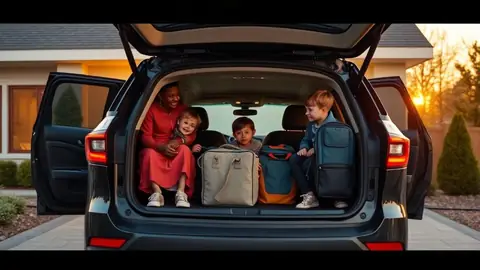
Choosing the right family SUV is about much more than finding the biggest vehicle on the lot. The best family SUV is one that fits your daily routine, keeps everyone comfortable, and remains affordable to own for years to come.
Many shoppers automatically assume they need a three-row SUV, while others focus only on appearance or technology features. In reality, the best choice depends on your family's size, lifestyle, cargo needs, driving habits, and long-term budget.
Whether you're upgrading from a sedan, replacing an older SUV, or purchasing your first family vehicle, this comprehensive guide will help you compare your options with confidence and choose an SUV that supports your family's needs today—and in the future.
Start With Your Everyday Passengers—Not the Occasional Road Trip
One of the most common mistakes buyers make is purchasing a vehicle based on the largest number of passengers they might carry once or twice a year.
Instead, consider how many people ride with you on a typical day.
Ask yourself:
- How many children travel daily?
- Do grandparents ride frequently?
- Will teenagers soon begin driving separately?
- Do you often carpool?
- Are additional passengers only for vacations?
Choosing an SUV that fits your everyday lifestyle often results in lower ownership costs and a more enjoyable driving experience.
Think About Cargo Before Horsepower
Families carry far more than passengers.
Before comparing engines or trim levels, think about everything your SUV needs to transport.
Consider items such as:
- Strollers
- Sports equipment
- Grocery trips
- Camping gear
- Pet crates
- Luggage
- School projects
- Folding wagons
- Coolers
- Baby gear
An SUV with excellent cargo flexibility can make everyday errands significantly easier.
Third-Row Access Matters More Than Third-Row Seats
Many shoppers focus on whether an SUV has a third row but overlook how easy it is to reach.
Important questions include:
- Can children climb into the third row easily?
- Is there enough legroom?
- Can child seats remain installed while accessing the rear?
- How difficult is it to fold the seats?
- Is cargo space still usable when all seats are occupied?
A poorly designed third row may rarely be used, while a well-designed two-row SUV could better serve your family's daily needs.
Two-Row vs. Three-Row SUVs
Choosing between two and three rows depends on your lifestyle.
| Two-Row SUVs | Three-Row SUVs | |
|---|---|---|
| Advantages | Better fuel economy; easier parking; lower purchase price; lower maintenance costs; more cargo room behind the second row; simpler everyday driving | Seating for larger families; flexibility for guests; better for carpooling; extra space for growing children; additional room during vacations |
| Ideal for | Families with one or two children; empty nesters; couples planning for future growth; daily commuters | Families with three or more children; frequent carpooling; grandparents traveling regularly; active households with sports or outdoor activities |
The right choice depends on how you actually use your vehicle—not simply the maximum number of seats available.
Child Seat Compatibility Is More Important Than You Think
If you have young children, child-seat installation should be a priority.
Compare:
- LATCH anchor locations
- Ease of installation
- Rear-facing seat clearance
- Booster seat positioning
- Seatbelt accessibility
- Second-row width
Taking your existing child seats to the dealership can help you confirm a comfortable fit before making your purchase.
Safety Features Every Family Should Consider
Modern SUVs offer advanced safety technologies that can help reduce the risk of accidents and improve driver awareness.
Popular safety features include:
- Automatic Emergency Braking
- Blind Spot Monitoring
- Rear Cross-Traffic Alert
- Adaptive Cruise Control
- Lane Keeping Assist
- Forward Collision Warning
- Surround-View Cameras
- Parking Sensors
- Driver Attention Monitoring
While these technologies assist the driver, they do not replace attentive and responsible driving.
Visibility Makes Everyday Driving Easier
Large SUVs can create blind spots that make parking and maneuvering more challenging.
Evaluate:
- Windshield size
- Rear window visibility
- Mirror placement
- Camera quality
- Parking sensor coverage
- Turning radius
A vehicle that's easy to see out of often feels smaller and more comfortable to drive.
Don't Forget Fuel Economy
Fuel costs can become one of the largest long-term ownership expenses.
Compare:
- City MPG
- Highway MPG
- Combined fuel economy
- Annual driving distance
- Local fuel prices
Even a modest improvement in fuel efficiency can lead to meaningful savings over several years of ownership.
Insurance Costs Can Vary More Than You Expect
Two similar SUVs may have very different insurance premiums.
Before purchasing, request insurance quotes for your top vehicle choices.
Insurance rates often depend on:
- Vehicle value
- Safety ratings
- Repair costs
- Theft history
- Driver profile
- Annual mileage
Including insurance in your ownership budget helps prevent unexpected monthly expenses.
Parking and Everyday Practicality
A larger SUV isn't always more convenient.
Consider:
- Garage fit
- School pickup lines
- Grocery store parking
- Drive-through access
- Neighborhood streets
- Turning radius
If most of your driving occurs in urban environments, a midsize two-row SUV may provide greater convenience without sacrificing comfort.
Reliability Matters More Than Luxury Features
Leather seats and panoramic sunroofs are enjoyable, but dependable transportation often provides greater long-term value.
Research:
- Reliability ratings
- Maintenance schedules
- Recall history
- Repair costs
- Warranty coverage
- Parts availability
Choosing a reliable SUV can reduce unexpected repair expenses while increasing confidence on every trip.
Compare the Total Cost of Ownership
The purchase price is only one part of the equation.
Your long-term ownership costs include:
- Monthly payment
- Insurance
- Fuel
- Registration
- Routine maintenance
- Tires
- Repairs
- Depreciation
Looking at the complete ownership picture helps you select an SUV that remains affordable throughout the years.
Questions to Ask Before Buying
Before making your decision, ask yourself:
- Will this SUV still fit my family in five years?
- Does it comfortably fit child seats?
- Is there enough cargo room for everyday life?
- How easy is it to park?
- What are the expected fuel costs?
- How much will insurance cost?
- Is this vehicle known for reliability?
- Does the monthly payment fit comfortably within my budget?
Frequently Asked Questions
Do I really need a third-row SUV?
Not always. Many families find that a well-designed two-row SUV offers ample passenger space, generous cargo capacity, and lower operating costs. A third row is most valuable for larger households or those who frequently transport additional passengers.
What size SUV is best for a family of four?
A midsize two-row SUV often provides an excellent balance of comfort, cargo space, fuel efficiency, and everyday drivability. Families with frequent guests or growing children may prefer a three-row model.
Are used family SUVs a good option?
Many late-model used SUVs provide modern safety features, excellent reliability, and significant savings compared to purchasing new. Reviewing maintenance history and completing a professional inspection can help buyers make informed decisions.
Which safety features should I prioritize?
Features such as Automatic Emergency Braking, Blind Spot Monitoring, Rear Cross-Traffic Alert, and Lane Keeping Assist are among the technologies many buyers value when comparing family SUVs.
How important is cargo space?
Cargo capacity often becomes one of the most-used features of a family SUV. Consider how much space you'll need for strollers, groceries, sports equipment, luggage, pets, and everyday errands.
Related Family Vehicle Resources
Continue your research:
Ready to Find the Right Family SUV?
Finding the perfect family SUV starts with understanding how your family lives—not just how many seats a vehicle offers. By comparing seating, cargo flexibility, safety features, fuel economy, insurance costs, and long-term ownership expenses, you'll be better prepared to choose an SUV that delivers comfort, confidence, and value for years to come.
Explore family-friendly SUVs
Compare family-friendly SUVs, estimate monthly payments, review financing options, and discover vehicles designed to fit your lifestyle.