
Trade-In Preparation Checklist: How to Maximize Value Before Trading In Your Vehicle (2026)
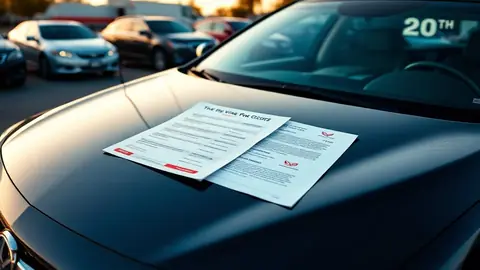
Trading in your current vehicle is one of the easiest ways to simplify the purchase of your next car, truck, or SUV. However, arriving prepared can make the process smoother and help ensure an accurate appraisal.
A successful trade-in isn't about making a vehicle look brand new—it's about providing accurate information, bringing the right documents, and presenting the vehicle in clean, organized condition.
This guide walks you through everything you should prepare before bringing your vehicle in for appraisal.
Gather Your Ownership Documents
Before visiting the dealership, locate the documents related to your vehicle ownership.
Depending on your situation, this may include:
- Vehicle title
- Current registration
- Loan payoff statement (if financed)
- Government-issued identification
- Proof of insurance (if requested)
Having these documents ready can help avoid delays during the trade-in process.
Verify Ownership Information
Take a moment to confirm who is listed on the ownership documents.
Review:
- Names on the title
- Names on the registration
- Loan information
- Lienholder (if applicable)
If multiple owners are listed, additional signatures or documentation may be required to complete the transaction.
Knowing this before visiting the dealership can save valuable time.
If You Still Have a Loan
If your vehicle is financed, request a current payoff statement from your lender.
Your payoff amount may differ from your remaining balance shown on a monthly statement because it can include accrued interest and other applicable amounts.
Having an up-to-date payoff quote helps everyone understand your current financial position.
Bring Every Key
Many vehicles include:
- Primary key
- Spare key
- Smart key
- Remote fob
- Valet key
Bringing all available keys helps demonstrate that the vehicle is complete and avoids the expense of replacing missing keys later.
Gather Service Records
Maintenance documentation helps tell the story of how your vehicle has been cared for.
Examples include:
- Oil changes
- Tire rotations
- Brake service
- Battery replacement
- Scheduled maintenance
- Major repairs
Even if maintenance was performed at different service facilities, collecting available records may help answer questions about the vehicle's history.
Include Owner's Manuals and Accessories
Bring any items that originally came with the vehicle whenever possible.
These may include:
- Owner's manuals
- Maintenance booklets
- Cargo covers
- Floor mats
- Headphones (if originally equipped)
- Navigation media (if applicable)
- Charging cables (for electric or plug-in hybrid vehicles)
- Removable storage components
- Roof rack accessories
Keeping these items with the vehicle presents a more complete package for appraisal.
Remove Personal Belongings
Before your appointment, carefully inspect every part of the vehicle.
Don't forget to check:
- Glove compartment
- Center console
- Door pockets
- Seat-back pockets
- Under seats
- Cargo area
- Spare tire compartment
- Sunglasses holders
Removing personal items makes the appraisal process easier and helps prevent accidentally leaving valuables behind.
Give the Vehicle a Basic Cleaning
A clean vehicle creates a better first impression and allows the appraiser to evaluate its condition more efficiently.
Simple preparation includes:
- Washing the exterior
- Vacuuming the interior
- Removing trash
- Cleaning windows
- Wiping major surfaces
There's usually no need for expensive detailing before a trade-in unless you planned to do it regardless.
Be Honest About the Vehicle's Condition
Preparing your vehicle does not mean attempting to hide damage or mechanical issues.
Avoid trying to conceal:
- Body damage
- Paint repairs
- Mechanical concerns
- Fluid leaks
- Dashboard warning lights
Providing accurate information helps create a transparent appraisal process and reduces surprises later.
Know Your Vehicle's Details
Before arriving, be prepared to answer questions about your vehicle.
Know:
- Model year
- Trim level
- Current mileage
- Major factory options
- Drivetrain
- Engine size (if applicable)
Accurate information helps ensure the appraisal reflects the correct vehicle configuration.
Understand the Vehicle's History
Be prepared to discuss:
- Previous accidents
- Insurance claims (if applicable)
- Major repairs
- Vehicle modifications
- Title history
- Service history
Providing complete information allows the dealership to evaluate the vehicle accurately.
Check for Dashboard Warning Lights
Before bringing your vehicle in, verify whether any warning lights are illuminated.
Examples include:
- Check Engine
- ABS
- Airbag
- Tire Pressure Monitoring System (TPMS)
- Battery
- Oil Pressure
If warning lights are present, be prepared to discuss them during the appraisal process.
Review Tires and Brakes
While normal wear is expected, it's helpful to understand your vehicle's current condition.
Check:
- Tire tread
- Tire wear
- Brake performance
- Windshield condition
- Exterior lighting
Knowing these details helps you answer questions confidently during the appraisal.
Estimate Your Vehicle's Current Value
Before visiting the dealership, research your vehicle's approximate market value.
Factors affecting value include:
- Mileage
- Overall condition
- Trim level
- Equipment
- Vehicle history
- Local market demand
Having a general understanding of your vehicle's value helps you better evaluate your trade-in offer.
| What to Bring | Why It Matters |
|---|---|
| Title or loan payoff statement | Establishes ownership and current financial position |
| Registration and ID | Required to complete the transaction |
| All keys and fobs | A complete key set avoids replacement costs |
| Service records | Documents how the vehicle has been maintained |
| Manuals and accessories | Presents a more complete vehicle package |
Common Trade-In Mistakes
Avoid these common mistakes:
- Forgetting the title or payoff information
- Leaving personal belongings inside the vehicle
- Bringing only one key
- Misidentifying the trim level
- Forgetting service records
- Trying to hide damage
- Not knowing the current mileage
- Ignoring dashboard warning lights
Preparing in advance helps create a smoother and more efficient trade-in experience.
Questions to Ask Before Visiting the Dealership
Before your appointment, ask yourself:
- Do I have my title or payoff statement?
- Are all owners available if needed?
- Did I bring both keys?
- Have I gathered service records?
- Did I remove all personal belongings?
- Do I know my trim level and mileage?
- Are there any dashboard warning lights?
- Am I prepared to discuss the vehicle's history honestly?
Frequently Asked Questions
What documents should I bring for a trade-in?
Bring the vehicle title (if owned outright) or a current loan payoff statement (if financed), registration, identification, and any other documents requested by the dealership. Requirements may vary depending on your state and ownership situation.
Should I clean my vehicle before trading it in?
Yes. A basic wash, vacuum, and interior cleaning help present the vehicle well during the appraisal. There's generally no need to perform expensive cosmetic work solely for a trade-in.
Do missing keys matter?
Yes. If your vehicle originally came with multiple keys or key fobs, bringing them all provides a more complete vehicle package and may help avoid replacement costs.
Should I disclose accidents or mechanical problems?
Yes. Being honest about the vehicle's history, warning lights, and known issues helps create a transparent appraisal process and avoids misunderstandings.
Why is knowing my trim level important?
Trim levels determine many factory-installed features and equipment, which can influence the vehicle's estimated value. Accurate information helps ensure the correct vehicle is being evaluated.
Related Buying Resources
Continue planning your next purchase:
Related Buying Resources
Ready to Trade In Your Vehicle?
A little preparation can make your trade-in experience faster, easier, and more organized. By gathering your documents, bringing all keys and accessories, cleaning the vehicle, knowing its history, and understanding its current condition, you'll be ready for a straightforward appraisal.
Browse our inventory of quality pre-owned vehicles, estimate your trade-in value, explore financing options, and let our team help you transition into your next vehicle with confidence.
Ready to trade in your vehicle?
Estimate your trade-in value, browse quality pre-owned inventory, and explore financing options.