
Used Electric Vehicle Buying Guide: Everything You Should Know Before Buying a Pre-Owned EV (2026)
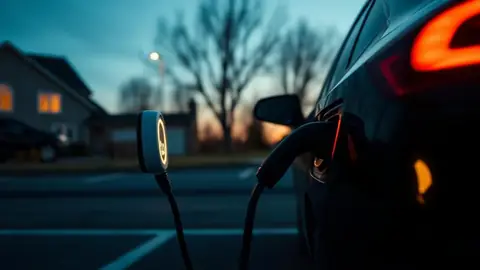
Electric vehicles (EVs) have become an increasingly popular choice for drivers looking to reduce fuel costs, lower maintenance expenses, and enjoy a quieter driving experience. Buying a used electric vehicle can provide many of those same benefits at a more affordable price.
However, shopping for a used EV involves a few additional considerations compared to buying a gasoline-powered vehicle. Battery condition, charging compatibility, available range, and charging infrastructure all play an important role in long-term ownership satisfaction.
This guide explains what to evaluate before purchasing a pre-owned electric vehicle.
Understand the Battery Warranty
The battery is one of the most valuable components of an electric vehicle.
Before purchasing, verify:
- Remaining battery warranty
- Warranty start date
- Warranty expiration
- Warranty mileage limits
- Whether the warranty transfers to a new owner
Many manufacturers provide separate battery coverage in addition to the vehicle's basic warranty, but coverage varies by manufacturer and model year.
Review the warranty documentation for the exact vehicle you're considering.
Evaluate Estimated Driving Range
One of the first questions buyers ask is: “How far can it travel on a charge?”
Estimated driving range depends on several factors beyond the original EPA estimate.
Actual range varies with:
- Highway speed
- Outside temperature
- Terrain
- Elevation changes
- Climate control usage
- Battery condition
- Passenger and cargo weight
- Driving style
A vehicle that comfortably meets your daily driving needs may still be an excellent choice even if its maximum range differs from newer EV models.
Check Battery Condition
As batteries age, their usable capacity may gradually decrease.
While battery aging varies by vehicle and usage, reviewing available battery information can help you better understand expected performance.
Ask about:
- Available battery health information
- Service history
- Previous battery repairs (if applicable)
- Software updates
- Warranty status
A battery in good condition contributes to predictable driving range and long-term ownership confidence.
Verify Charging Compatibility
Not every electric vehicle uses the same charging equipment.
Before purchasing, confirm:
- Charging connector type
- AC charging compatibility
- DC fast-charging capability (if equipped)
- Maximum charging speed
- Compatible public charging networks
Understanding your vehicle's charging capabilities helps you plan daily driving and longer trips more effectively.
Consider Home Charging
For many owners, charging at home is one of the biggest advantages of electric vehicle ownership.
Ask yourself:
- Do I have access to home charging?
- Can I install a Level 2 charger if needed?
- Do I have dedicated parking?
- Does my electrical service support additional charging equipment?
Many drivers complete the majority of their charging overnight at home.
Review Local Public Charging Availability
If you frequently travel beyond your daily commute, public charging access becomes more important.
Research:
- Nearby DC fast chargers
- Workplace charging
- Shopping center charging
- Charging along regular travel routes
- Charging near vacation destinations
Having convenient charging options can make EV ownership significantly more enjoyable.
Understand Charging Times
Charging speed depends on:
- Vehicle capability
- Battery state of charge
- Charger power
- Battery temperature
Some charging sessions are designed to replenish only enough energy to continue a trip rather than charge to 100%.
Knowing your vehicle's charging characteristics helps set realistic expectations for everyday use.
| Charging Type | Typical Use | What to Confirm |
|---|---|---|
| Level 1 (standard outlet) | Overnight top-ups for short commutes | Access to a dedicated outlet near parking |
| Level 2 (240V) | Primary home or workplace charging | Electrical service capacity and installation cost |
| DC fast charging | Road trips and quick mid-trip charges | Connector type, max charge rate, nearby networks |
Maintenance Is Different Than Gasoline Vehicles
Electric vehicles generally have fewer routine maintenance items than traditional gasoline vehicles.
However, regular maintenance still includes:
- Tire rotations
- Tire replacement
- Brake inspections
- Cabin air filters
- Suspension inspections
- Cooling system service (when applicable)
- Software updates
Following the manufacturer's maintenance schedule helps keep the vehicle operating as intended.
Consider Total Ownership Costs
Purchase price is only one part of EV ownership.
Also consider:
- Insurance
- Registration
- Electricity costs
- Home charging equipment
- Tire replacement
- Routine maintenance
- Warranty coverage
Evaluating these factors provides a more complete picture of long-term ownership costs.
Review Available Tax Incentives
Depending on your location and individual circumstances, purchasing a used electric vehicle may qualify for federal, state, or local incentives.
Because eligibility requirements and program rules can change over time, always verify current information through official government guidance before making a purchasing decision.
Tax professionals or qualified advisors can also help determine how current programs apply to your specific situation.
Test Drive the Vehicle
A thorough test drive remains an essential part of buying any vehicle.
Evaluate:
- Ride quality
- Steering
- Braking
- Cabin noise
- Regenerative braking
- Technology features
- Driver displays
- Climate control
- Charging port operation (if possible)
Make sure the vehicle feels comfortable for your everyday driving needs.
Common Mistakes Buyers Make
Avoid these common mistakes:
- Focusing only on advertised driving range
- Ignoring battery warranty information
- Not verifying charging compatibility
- Overlooking local charging availability
- Forgetting to evaluate home charging options
- Assuming every EV charges at the same speed
- Ignoring insurance costs
- Not researching available incentives using current official guidance
Taking time to understand these areas can help you make a more informed purchase.
Questions to Ask Before Buying
Before purchasing a used EV, ask yourself:
- Does the available range meet my daily driving needs?
- Is the battery warranty still active?
- Do I understand the vehicle's charging compatibility?
- Can I charge at home?
- Are fast chargers conveniently located near my travel routes?
- Have I reviewed maintenance history?
- Have I researched available tax incentives through official sources?
- Does this vehicle fit my long-term transportation needs?
Frequently Asked Questions
Is buying a used electric vehicle a good idea?
A used EV can be an excellent option for many drivers. Reviewing battery warranty coverage, charging compatibility, vehicle history, maintenance records, and estimated range helps ensure the vehicle fits your needs.
Does battery range decrease over time?
Battery performance can gradually change with age and use. Actual driving range depends on battery condition, speed, weather, terrain, climate control usage, and driving habits.
Can I charge a used EV at home?
Many owners charge primarily at home using Level 1 or Level 2 charging equipment, depending on the vehicle and their electrical setup. Confirm your parking situation and available electrical service before purchasing.
Are all public chargers compatible with every EV?
No. Charging connector types and charging capabilities vary by manufacturer and model. Verify that the vehicle is compatible with the charging infrastructure you expect to use most often.
Are tax incentives available for used electric vehicles?
Some buyers may qualify for federal, state, or local incentives, but eligibility rules and program requirements can change. Always review current information from official government sources or consult a qualified tax professional before relying on any incentive.
Related Buying Resources
Continue your research:
Related Buying Resources
Ready to Find the Right Used Electric Vehicle?
A used electric vehicle can provide years of reliable, efficient transportation when you choose one that matches your driving habits and charging needs. By evaluating battery warranty coverage, estimated range, charging compatibility, home-charging access, and available public charging, you'll be well prepared to make a confident buying decision.
Browse our inventory of quality pre-owned electric vehicles, compare features, estimate monthly payments, explore financing options, and let our team help you find an EV that fits your lifestyle and budget.
Ready to find the right used EV?
Browse quality pre-owned vehicles, estimate monthly payments, and explore financing options.